

José Miguel Sales Dias
Full Professor and Deputy Dean of the School of Applied Digital Technologies, ISCTE, Sintra, Portugal
José Miguel Sales Dias holds a PhD in Information Sciences and Technology, major in Computer Graphics and Multimedia. Full Professor and Deputy Dean of the School of Applied Digital Technologies Iscte Sintra, Portugal. Has 20+ years of experience in academia (Iscte, NOVA IMS in Portugal), 11+ years in innovation and product development in the global software industry (Microsoft), and 4 years in top public administration (Adene, the Portuguese Energy Agency, Medener, Mediterranean Association of the National Agencies for Energy Management). ISTAR R&D Unit @ Iscte Deputy Director, SocioDigital Lab for Public Policy Board member, and AI4PA – European Digital Innovation Hub Board member. Has participated in 55 national and international R&D projects, serving as Principal Investigator in 17. Supervised 6 completed PhD theses and has authored over 270 international publications in top journals and keynotes at international conferences, in Human-Computer Interaction, Computer Graphics, VR, AR, AI, Language Technology and Ambient Assisted Living.
Research in Applied Digital Technologies in Portugal: Four Case Studies
Abstract:
Research in applied digital technologies often begins with complex real-world challenges but must ultimately produce rigorous and original scientific contributions. This talk draws on four supervised PhD and MSc research projects to illustrate how different methodologies connect research questions, technological innovation, and evaluation.
The first examines participatory housing design, using user-centered methods, generative design and interactive prototyping to foster collaboration between residents and architects. The second explores cultural heritage engagement at Monserrate Palace, combining immersive technologies, gaming and iterative prototyping to enrich the visitor experience. The third investigates Lisbon’s GIRA bike-sharing system, combining a systematic literature review with data science and spatiotemporal analysis to understand urban mobility patterns. The fourth addresses AI assistants and agents for Geographic Information Systems, aiming to enable natural-language interaction with geospatial tools through intelligent systems and a rigorous evaluation framework.
Across these diverse domains, the presentation discusses how researchers formulate meaningful problems, identify knowledge gaps, select appropriate methodologies and evaluate proposed solutions. It highlights the distinction between technological development and the production of new scientific knowledge, while sharing lessons from interdisciplinary research and supervision to help emerging researchers design robust, relevant and impactful studies.
Keywords: Applied Digital Technologies; Research Methodologies; Data Science; Generative Artificial Intelligence; Human-Centered Design; Immersive Technologies.
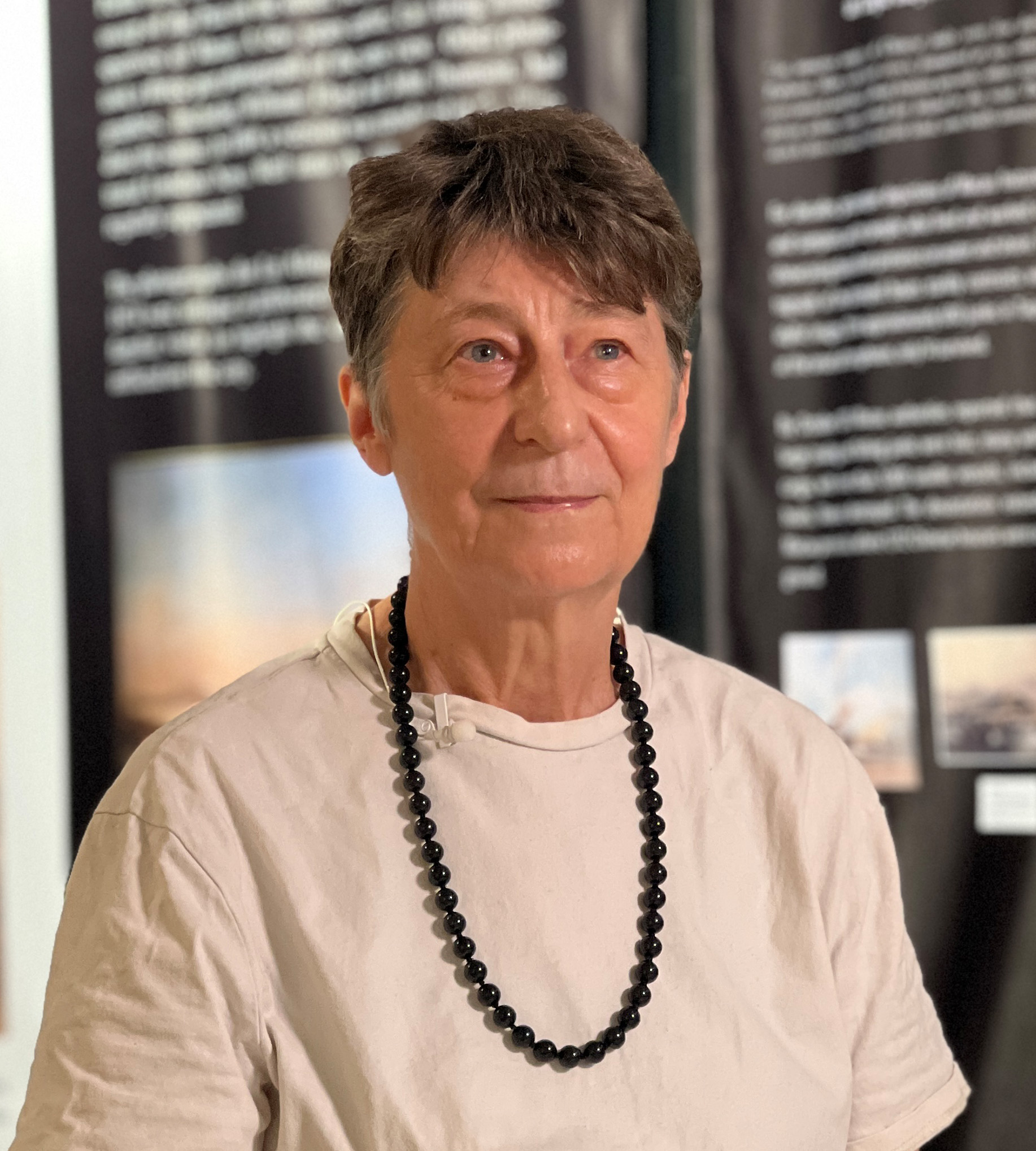
Priscilla Roberts
Associate Professor, Faculty of Arts and Humanities, University of Saint Joseph, Macao S.A.R, China
Priscilla Roberts is Associate Professor of History and Heritage at the University of Saint Joseph, Macao. She received her bachelor’s and doctoral degrees from King’s College, Cambridge, and has taught and researched in Hong Kong and Macau. She has also held visiting research fellowships in the United States, the United Kingdom, and Australia. She has published extensively in modern international history, especially Asian-Western and Anglo-American relations. Since coming to Macau, she has developed a strong interest in the history of Macau, especially its global role. She has produced 32 single-authored, edited, and co-edited books, and numerous journal articles and book chapters. Her latest book is Voices of World War I: Contemporary Accounts of Daily Life (New York: Bloomsbury Academic, 2023).
The Birth of a New Diocese in Macau: From 1557 to the Early 1600s
Abstract:
This talk focuses on the impulses that led to the formal establishment of a Roman Catholic diocese in Macau and its accomplishments during the early years of its existence. It discusses the role of early clerics in laying the ground for the creation of a diocese by building at least three churches in the territory, beginning in 1557. The contributions of Melchior Carneiro Leitão, generally considered the first bishop of Macau, even though he arrived before the formal establishment of the diocese, are discussed, especially his role in founding the Casa de Misericordia, to offer charitable services for those in need in Macau. Even today, the Catholic church plays a major role in providing social services of all kinds to the Macau community. The very conscious decision of the Catholic church to use Macau as a base for missionary activities in China and Japan not least by establishing the College of St. Paul, is highlighted, as are some of the religious and intellectual achievements of those priests when they succeeded in entering China and Japan.
Keywords: Diocese of Macau; Bishop Melchior Carneiro Leitão; Jesuit order; College of St. Paul; Dominican order; Franciscan order
Institutional Speakers

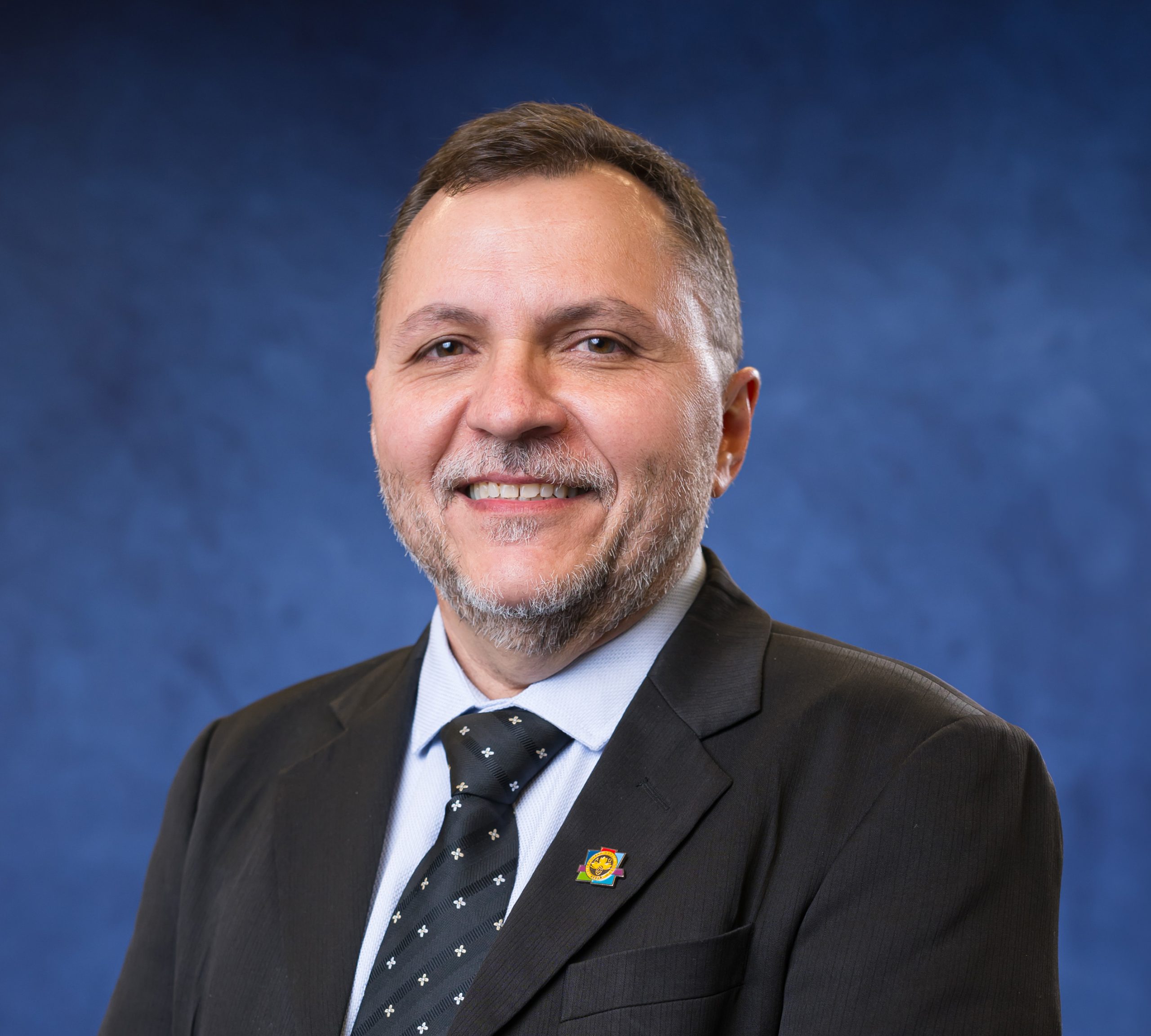
Álvaro Barbosa
Vice-Rector for Internationalisation and Academic Affairs, University of Saint Joseph, Macao S.A.R, China
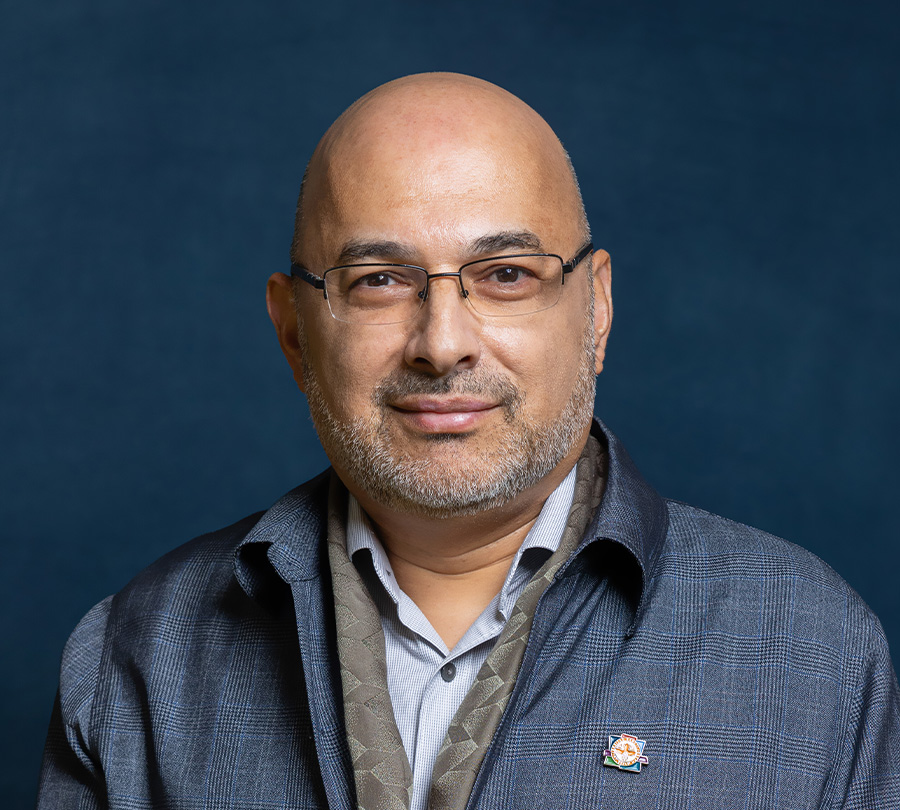
Alexandre Lobo
Vice-Rector for Research and Innovation, University of Saint Joseph, Macao S.A.R, China
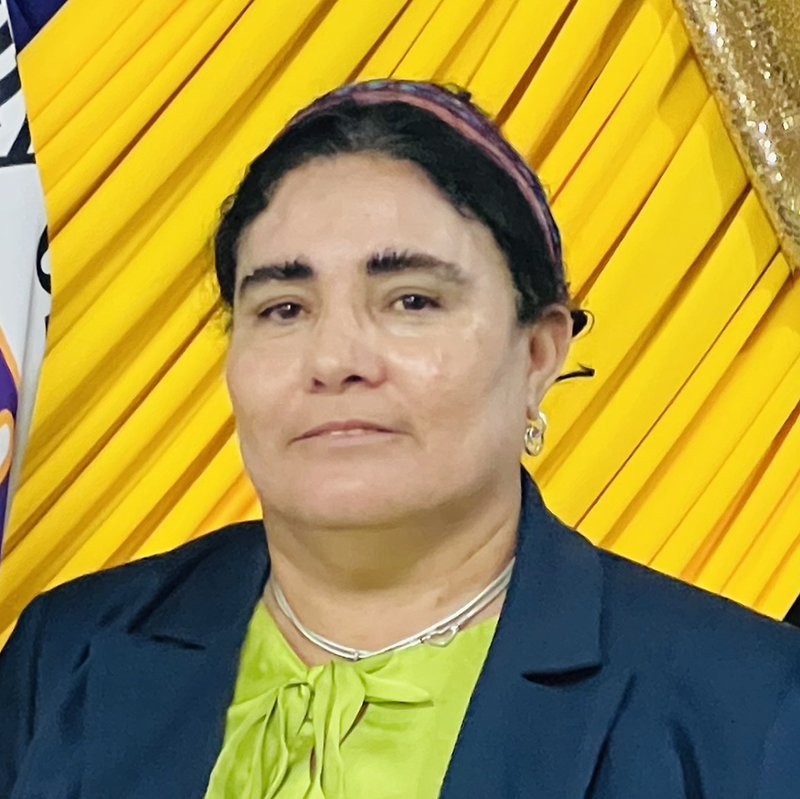
Adérito Fernandes-Marcos
Dean of Doctoral School, University of Saint Joseph, Macao S.A.R, China
International Speakers

Stacilee Ford
Department of History, Faculty of Arts, HKU, Hong Kong
Dr. Stacilee Ford is an Affiliated Associate Professor in the Faculty of Arts at The University of Hong Kong. She currently teaches in the Department of History but has also taught in the Programme in Gender Studies and in the School of Modern Languages and Cultures. Her scholarly interests and publications focus on women’s and gender history, cultural history, transnational history, the US in the World, Hong Kong cinema, and leadership at the intersections of gender, generation, and globalization. She is the author of Mabel Cheung Yuen-Ting’s An Autumn’s Tale (HKUP, 2008) and Troubling American Women: Narratives of Gender and Nation in Hong Kong (HKUP, 2011). She is one of the creators of the Massive Open Online Course Hong Kong Cinema Through a Global Lens, is a founding member of HKU’s Women’s Studies Research Centre, and has lived in Hong Kong since 1993.
Global “Guys”: A Transdisciplinary Look at Asian/American Manhoods Past & Present
Abstract:
We live in a time of highly contentious conversations and declarations about men. This keynote address will explore the transdisciplinary dimensions of “man talk,” paying particular attention to performances of manhood in two domains of cultural production; Asian/Asian American cinema and popular memoirs/life narratives written by Asian and Asian American men. Subject to caricature, stereotype, and erasure for centuries, in recent years more cultural production by/about men of Asian and Asian Diasporic heritage have become popular with readers and audiences across the world. I will argue that their films and “MENmoirs” are rich texts for considering intersectionally-gendered and global interventions into “culture wars” and debates about “identity politics” and “toxic masculinity” as well as “rising/returning Asia.” The talk is part of a larger study of Asian and Asian American cultural productions of manhood from World War II to the present. NOTE: Films to be discussed in the talk include: Once Upon a Time in the Middle East (2026, China), No Other Choice (2025, Korea), and The Last Dance (2024, Hong Kong). Memoirs to be discussed include: Kishore Mabubani, Living the Asian Century: An Undiplomatic Memoir (2024), Francis Fukuyama, In the Realm of the Last Man (2026), and Hasan Minhaj, The King’s Jester (Netflix, 2022).
Keywords: Asian Masculinity, Cultural Productions, Intersectionality, Toxic Masculinity, Identity Politics

Mikhail Spektor
Assistant Professor & Program Director (Psychology), College of Arts and Sciences, VinUniversity, Hanoi
Mikhail S. Spektor holds a PhD in Psychology from the University of Basel and completed his BSc and MSc degrees in Psychology at Heidelberg University. He currently serves as Assistant Professor and Program Director of Psychology at VinUniversity, following previous academic appointments as Assistant Professor at the University of Warwick and Universitat Pompeu Fabra, and as a Research Fellow at the University of Freiburg. He has secured competitive research funding as a Principal Investigator and Co-Investigator, and serves as an Associate Editor for the Journal of Experimental Psychology: General. His research interests center on decisions under risk and uncertainty, learning and decision-making, context-dependent preferences, computational cognitive modeling, and naturalistic decision-making. He has authored 18 peer-reviewed publications in top journals, including PNAS, Trends in Cognitive Sciences, and Psychological Review.
Making sense of human learning and decision making through large-scale data synthesis
Abstract:
The fundamental role of experience in various aspects of human and animal behavior led to the development of a wide range of theoretical and methodological approaches to studying experience-based decision making across psychology, economics, neuroscience, and biology. Despite the common interest, the research paradigms used across disciplines vary widely, making it challenging to draw generalizable conclusions about experience-based behavior. In this project, we study the generalizability of psychological mechanisms of choice across three different paradigms using large-scale data synthesis: the sampling paradigm, in which people freely explore options without consequences before making a single consequential choice, and two feedback paradigms, in which people make repeated consequential choices and see the outcome of either only the chosen option (partial feedback) or of all options (full feedback).
We focus on the core question of whether people decide differently when they read about potential risks than when they learn about them from their own experience. One prominent canonical finding across disciplines is that whenever there is a possible outcome that occurs with a low probability (e.g., a rare side effect of a painkiller), people’s experience-based choices seem to take such outcomes insufficiently into account. In contrast, when risks are explicitly described (such as on the package leaflet of the painkiller), people tend to pay disproportional attention to them. This phenomenon became known as the description–experience gap.
To assess the influence of rare events on choices, we analyzed an extensive database from all three experience-based paradigms, together with additional description-based data. We found that the description–experience gap is a generalizable phenomenon that occurs in all experience-based paradigms. Further, how various features of the choice environment (such as whether people choose between a safe and a risky option) impacted the magnitude of the gap was surprisingly similar across paradigms. However, the mechanisms underlying the gap appear to differ: While sampling error—the fact that people observe fewer rare events than their probability would suggest—explained part of the gap in the sampling paradigm, it seemed to have a smaller influence in the two feedback paradigms.
Overall, this work shows that a behavioral pattern can generalize across research paradigms even when the mechanisms producing it do not, and it highlights the importance of synthesizing diverse but related areas of research across disciplines in identifying robust and generalizable conclusions.
Keywords: meta-analysis, decision making, learning, description–experience gap, sampling error

Áine Ní Bhroin
English for Specific Purposes (ESP) and Mandarin Trainer/Teacher Trainer, Macao Polytechnic University, Macao S.A.R., China
Áine Ní Bhroin 譚小果 teaches English, Mandarin and in-service teacher professional development at Macao Polytechnic University. She has taught English, Chinese, and cultural studies in Ireland, New Zealand, South Korea, and China. In Dalian, she designed business English and intercultural programmes for Fortune 500 companies, and was an IELTS and BULATS examiner for the British Council. She then spent four years as a teacher trainer and TKT examiner at the Macau-Xinjiang English Centre. She holds a PhD from USJ specialising in geragogy and a master’s degree in International Chinese Education. Her research interests include teacher development, senior learners, blending andragogy, geragogy, and Confucian pedagogy, and covert research.
Hear, Say, Feel: From a PhD on Senior Learners to Academic Life at MPU
Abstract:
In this talk, I reflect on my doctoral journey at the University of Saint Joseph and how it has shaped my current academic work at Macao Polytechnic University. My PhD explored an unexpected question: can phonics, usually associated with children learning to read, help older adults improve their English pronunciation? Through a case study of fifteen senior learners in the Greater Bay Area, I adapted synthetic phonics, drawing on andragogy, geragogy, and Confucian pedagogy, to help learners hear, say, and feel the sounds of English. I will share how the project took shape, the challenges it posed, and what I learned about research and myself. Finally, I will discuss how this work informs my teaching at MPU, and my training of teachers in how we learn to read.
Keywords: Doctoral journey; Senior learners; Geragogy; Synthetic phonics; Pronunciation; Teacher training
Florence Yasmine Andrew
International Development Economist, Policy Analyst, Applied Statistician, and Senior Research Consultant, University of Belize
Dr. Florence Yasmine Andrews is a Belizean development economist, applied statistician, and policy analyst. She is Assistant Professor of Economics and MBA Programme Coordinator at the University of Belize, and a postdoctoral fellow in the ESI programme Social Sciences and Humanities in a Post-crisis Period. For more than twenty years she has designed national surveys, built sampling frames, and translated statistical results into advice for governments and United Nations agencies. Her consultancy work includes assignments for UNDP, the ILO, UNHCR, the Inter-American Development Bank, Oceana Belize, and Belize’s People’s Constitution Commission. Since 2008 she has been a national pollster whose field operations and forecasting models have informed public debate on governance and constitutional reform. Recent papers examine inflation and living costs, the fixed exchange-rate peg, remittances, public debt, tourism and poverty, and the claim that Caribbean economies skipped industrialization. The Macao talk is drawn from her article “Skipping Industrialization in Belize and the Caribbean: Historical Legacies, Tourism Dependence, and Structural Vulnerability.” She trained in applied statistics (MSc, Colorado State University), international policy (MA, Staffordshire University), and development studies (PhD), and previously taught on MBA and MSc programmes at Anglia Ruskin University in Cambridge. She works in English and Spanish from San Ignacio, Cayo District, Belize.
The Factory That Never Opened Why Belize and much of the Caribbean skipped industrialization – and why tourism growth has not closed the gap
Abstract:
Most development stories assume a familiar sequence: farms, then factories, then services. Large parts of the Caribbean never ran that sequence. They moved from the colonial plantation to the hotel with only a thin and shrinking industrial middle. This talk treats that skip as a structural fact, not a delay.
Belize is the working case. Manufacturing value added has fallen from about 12 percent of GDP in 2000 to about 6.8 percent in 2025. Tourism now accounts for roughly 46 percent of GDP. The pattern is regional, not national eccentricity: industrial employment and manufactured exports have weakened across much of the Caribbean while visitor earnings have become the main foreign-exchange machine. Tourism creates jobs and dollars. It also imports a large share of what visitors consume, pays many of those jobs at the low end of the wage distribution, and transmits every hurricane, pandemic, and travel scare straight into national accounts.
Guyana is the tempting counter-example. Oil has produced extraordinary headline growth. It has also imported a different dependency: commodity prices and the political economy of a resource boom. The paper does not romanticize smokestacks. It asks a harder question: if factories were skipped, and if hotels cannot carry productivity, wages, and shock absorption on their own, what is the feasible next rung for a small, open, climate-exposed economy? Belize’s relatively high share of renewable energy in final consumption is treated as one incomplete opening, not a finished industrial strategy.
The argument is meant to travel beyond economics. Historians will recognize the plantation residue. Education researchers will recognize the skills trap. Climate scholars will recognize a growth model tied to coasts and arrivals. The claim is blunt enough to argue with: growth that does not build a tradable, higher-productivity core leaves small states looking successful on arrival numbers and fragile on everything else.
Keywords: skipped industrialization; premature deindustrialization; tourism dependence; Belize; Caribbean development; structural transformation; vulnerability; resource curse; sustainable industrialization

Zhang Jun
Full Professor and Doctoral Supervisor at the School of Design, Hunan University, China
Dr. Jun Zhang is a Full Professor and Doctoral Supervisor at the School of Design, Hunan University, where he received his B.A., M.A., and Ph.D. degrees. He was a visiting scholar at the School of Design, Politecnico di Milano (2009–2011), and the Oslo School of Architecture and Design (AHO, 2019). Prof. Zhang directs the EU-Hunan University LeNS Sustainable Design Laboratory and the SDEF Sustainable Design Innovation Lab. He also serves as the co-founder and coordinator of the China Sustainable Design Learning Network (LeNS-China), co-coordinator of the DESIS Lab at Hunan University, and executive member of the China Service Design Education Alliance (CSDEA). At the intersection of national green transitions and digital intelligence, his research centers on AI-driven sustainable and circular design, AI-native interaction and human-AI collaborative ergonomics, and complex product-service systems (S.PSS). He has led numerous national and international research grants, as well as over 30 industry-partnered projects with global leaders such as Huawei, OPPO, and Midea. Prof. Zhang has authored more than 40 scholarly papers in prestigious venues such as the Journal of Cleaner Production, Sustainability and DRS, alongside six monographs and textbooks, including Design for Sustainability (Springer Nature, 2025). .
A New Paradigm of Intelligent Design Driven by Human Factors and Cultural Big Data: Perspectives from Computational Humanities and Global Practices
Abstract:
Addressing complex global challenges requires transcending disciplinary silos and fostering deep convergence between the sciences and humanities. Rooted in the research explorations of the School of Design at Hunan University, this lecture presents a new paradigm of intelligent design driven by human factors (ergonomic) and cultural big data. It examines how qualitative cultural semantics and quantitative behavioral metrics are computationally modeled into generative design intelligence, bridging cultural heritage preservation with modern industrial transformations. Drawing on empirical cases spanning smart interaction, clean energy ecosystems, and cross-cultural translation, the presentation illustrates design’s strategic agency in reconciling technological systems with socio-ecological transitions. Concluding with Macau’s unique role as a global crossroads, future interdisciplinary research agendas for doctoral scholars in human-AI collaboration and inclusive innovation are discussed.
Keywords: Human Factors; Cultural Big Data; Intelligent Design; Computational Humanities; Interdisciplinary Paradigm; Sustainable Transitions
Postdoc Fellows

Wilson Caldeira
Postdoctoral researcher and Guest Lecturer, University of Saint Joseph (USJ), Macao S.A.R., China
Wilson Gomes Caldeira is a current postdoctoral researcher and guest lecturer at the University of Saint Joseph (USJ), Macau, China. He previously completed a postdoctoral fellowship at the Faculty of Arts and Humanities, University of Porto, Portugal, where his research project was focused on artificial intelligence and creative industries. He holds a PhD in Communication (Global Studies), an MBA from USJ, and a BA in Photography from the Instituto Politécnico de Tomar, Portugal. His research sits at the intersection of artificial intelligence and communication, focusing on social, cultural, and epistemological implications. His work critically examines visual communication and the shifting dynamics of human-machine interaction in contemporary media environments.
From Images to AI: A Research Journey
Abstract:
My research began with an inquiry about the role of images in such a visually saturated world and gradually moved toward AI-generated images, and questions about how they are created and understood. In this talk, I trace that trajectory from my doctoral research on AI-generated photorealistic images to my current postdoctoral work, where I study AI and communication more broadly. Investigating AI has transformed not only my work, but also the questions I ask. It has inspired me to examine visual uncertainty, authorship, trust, creativity, and the changing relationship between humans and machines. I reflect on the challenges and unexpected opportunities this has created: findings generate new questions, while perspectives from different fields become resources for more questions. This trajectory is not simply a shift in subject matter, but an evolving account of how AI reshapes both communication and the research process itself.
Keywords: artificial intelligence, visual communication, AI-generated images, human–machine communication, research practice
Doctoral Candidates
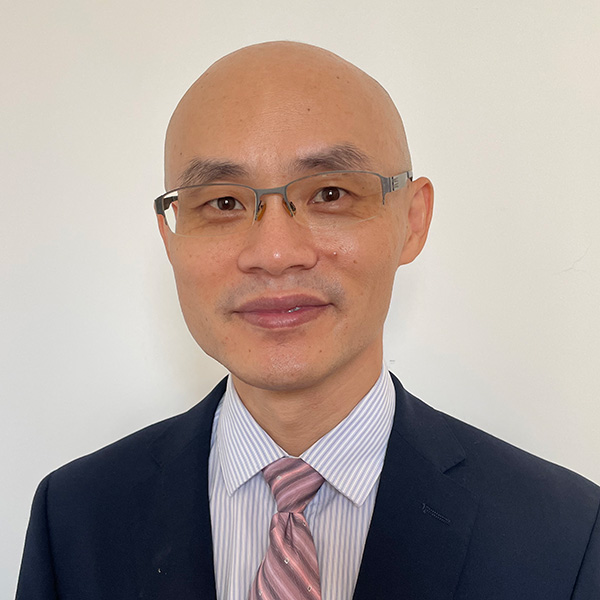
Lin Xiaofeng (Vincent)
From an Intervention Model to an Integration of Theory, Manual, and Test: An Ongoing Doctoral Research Journey
Abstract:
This presentation introduces an ongoing doctoral research project exploring the development of a family-based intervention for adolescents experiencing internal mental health challenges. Situated within the field of psychological therapy, the research has evolved from an initial interest in identifying an appropriate intervention model into a broader process of integrating theoretical foundations, intervention design, and empirical testing. The project brings together the development of a conceptual framework, the adaptation and construction of an intervention manual, and the empirical investigation of its application within families. This process has involved theoretical exploration, ethical review, intervention development, data collection, and scholarly outputs, with each stage informing subsequent decisions. Each stage has its own significance in producing the outcome of this research, but the systematic review was particularly important in defining the research field. The research is currently at the experimental stage, examining the effectiveness of the developed intervention model.
Keywords: Psychological Intervention, Systematic Review, Experimental Test, Adolescents, Mental Health

Billy Hon-Keong Chan
The Carbon Neutrality Transition in the Greater Bay Area: Strategic Energy Mix Scenarios with Distributed Generation Integration Using the TIMES Model
Abstract:
Addressing climate change requires global carbon neutrality around mid-century, while China targets carbon neutrality before 2060. The Guangdong–Hong Kong–Macao Greater Bay Area (GBA), a major economic region, faces significant challenges in transitioning towards sustainable energy systems.
This research investigates feasible carbon neutrality pathways through strategic energy mix optimisation, focusing on distributed generation integration. Using the TIMES energy system model, the study evaluates baseline, optimised energy mix, and technological innovation scenarios, considering renewable energy deployment, energy storage, economic feasibility, and carbon emissions.
The research also incorporates a comparative study of public perceptions of energy consumption and climate change in Macau and Portugal.
The presentation outlines the research framework, methodology, modelling development, and preliminary progress, highlighting the potential contribution of distributed generation to regional decarbonisation. The expected findings aim to support evidence-based energy planning and policy development for the GBA’s sustainable energy transition.
Keywords: Carbon Neutrality, Greater Bay Area, TIMES Model, Energy Mix Optimisation, Distributed Generation, Energy Transition
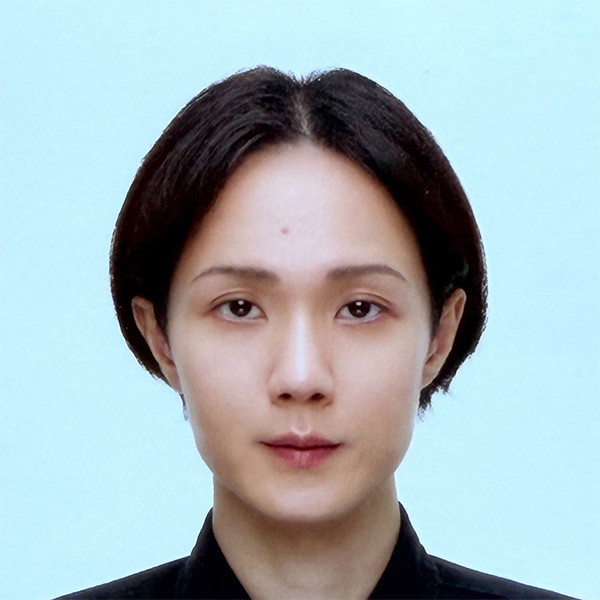
Man Cheng Ng (Jinn)
Synthesising Visual Identity: Generative Cover Art and Interactive Experiences for Indie Music in the Crisis
Abstract:
Throughout the years, there have been many successful music imageries that can be the brand image of a musician and visual culture to stand out and embody the sound conception by the intersection of design and music. However, over the past decade, music streaming platforms and online music downloads have revolutionised the industry, shifting from physical materiality to enhanced music-sharing and agency through technological advancement. Likewise, it challenges the communicative value and meaning of visual narration in the design and music industries. The problem in this study is that the communicative potential of visual narration is experiencing a semiotic erosion due to the algorithmic standardisation of streaming platforms, as commoditization has become overly standardised amid the explosion of globalised subscriptions. How should the new generation retain the creator’s physical aesthetic experience to elevate the digital image experience to the next level and generate a new creative interpretation for the audience?
Keywords: Visual music, Album Art, Streaming Age, Audiovisual, Interactive experience, Record cover
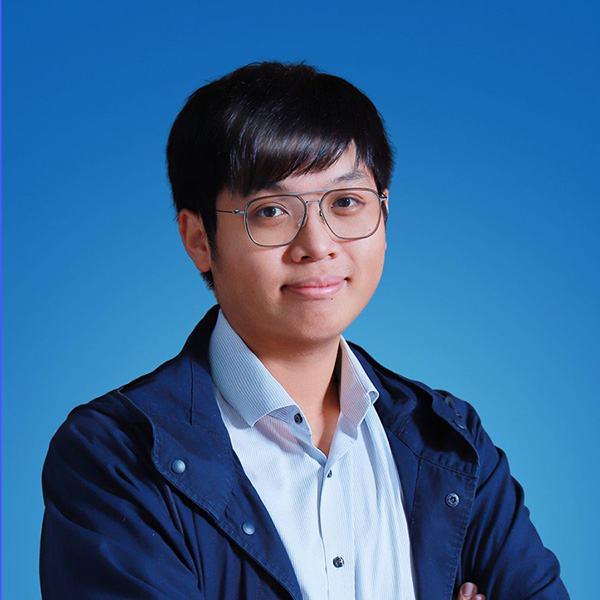
Lok In Cha (Edwin)
Work Experience of Resource Teachers in Macao: Do they have Job Burnout?
Abstract:
This quantitative study investigates the work experiences and the prevalence of job burnout among Macao resource teachers. Despite their essential role in inclusive education, empirical research on their occupational well-being remains limited. To address this gap, a comprehensive questionnaire package—comprising the Maslach Burnout Inventory (MBI), Areas of Worklife Survey (AWS), WHOQOL-BREF, and Teacher Efficacy for Inclusive Practices (TEIP) Scale—was distributed to invite all active resource teachers in Macao, resulting in 204 valid responses. Significant group differences were found across burnout dimensions. The teachers who were burnout differed significantly from those who were not in physical and psychological Quality of Life and workload perceptions. The teachers who were overextended differed significantly from those who were not in teacher efficacy domains and work-life factors. The teachers who were disengaged differed significantly from those who were not in efficacy, control, reward, and community. Most demographic variables showed no significant differences.
Keywords: Resource teachers, Inclusive education, Job burnout, Work experience, Teacher efficacy, Quality of life

Bonnie Sin
Cantonese Opera and Macao Identity: The relationship between Intangible Cultural Heritage and Community
Abstract:
Cantonese opera, a significant symbol of Cantonese culture, has been rooted in Macao for more than two centuries. Despite being recognized by UNESCO in 2009 as an Intangible Cultural Heritage of Humanity, its role in shaping Macao identity was underexplored. Drawing on semi-structured interviews, historical materials, and field observations, this study explores how Cantonese opera contributes to identity formation in Macao through its connections with community participation and cultural memory. The preliminary findings reveal that Macao’s identity emerges from the coexistence of diverse cultural traditions rather than representing a single culture. Though Cantonese opera stands as an important cultural symbol and shared heritage, the uneven engagement across generations and communities, especially among Portuguese and Macanese residents, heightens tensions around identity-making and cultural continuity. Findings highlight the need for innovation, education, and government civic collaboration to sustain opera as a living heritage, ensuring its vitality within Macao’s evolving cultural landscape.
Keywords: Cantonese Opera; Macao identity; Intangible Cultural Heritage (ICH); Cultural transmission; Community participation; Cultural hybridity